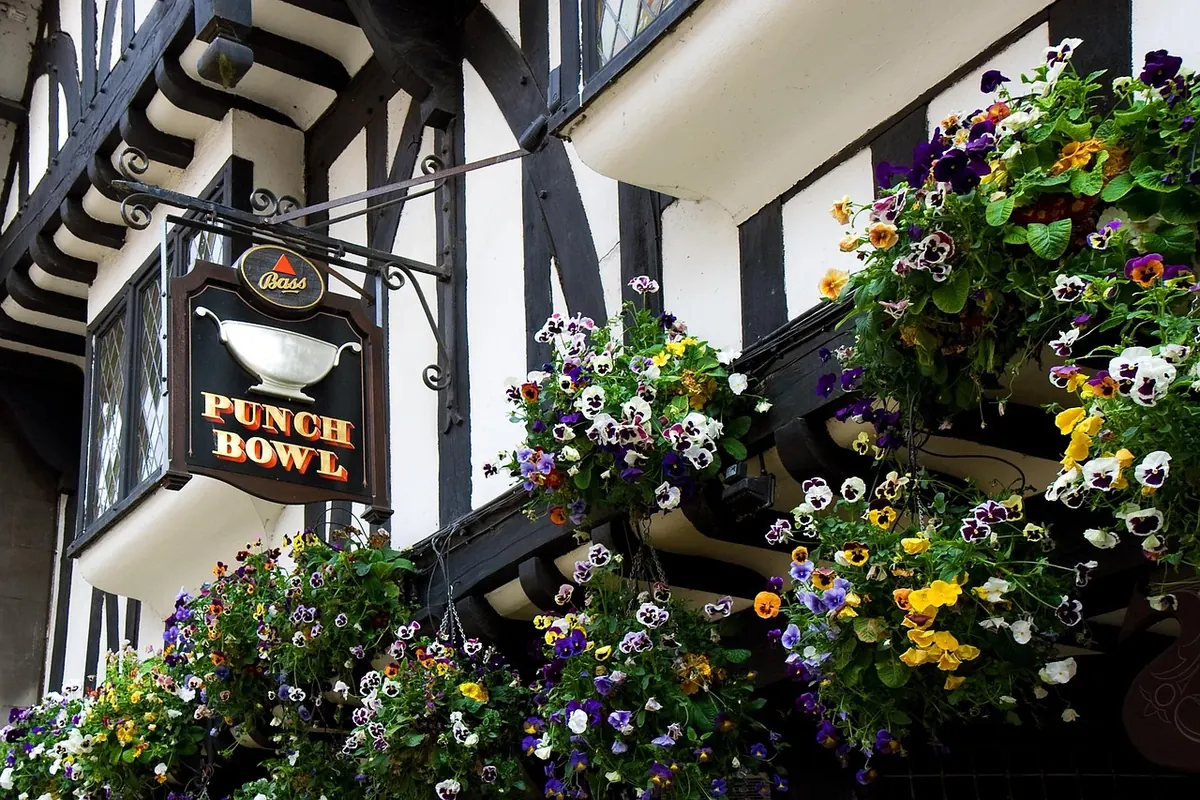
A Pub Review Template for First-Time Reviewers: What to Notice, Note, and Score

The first pub review is usually the hardest, and not because there is nothing to say. It is because there is too much: the light, the noise, the dog by the fire, the pint that was better than the last one, the landlord who remembered your round. Most first reviews buckle under all that and dissolve into adjectives — cosy, friendly, decent beer — that would fit four hundred pubs within a mile of the same station.
A template fixes it. Not because reviews should be formulaic, but because a fixed set of questions frees you to notice the thing that actually matters in the pub you are standing in. Here is one you can reuse for years.
Decide what you are scoring and how much each part is worth before you order anything. If you invent the scheme on the way home, your scores bend towards whatever is freshest in your memory — usually the last pint or the last conversation.
If the pub is wet-led and does not serve food, do not punish it for that. Score the other four categories, convert the total to a percentage so it stays comparable with the rest of your reviews, and say plainly in the text that food was not on offer. A short drinks-only review beats a padded one.
Numbers mean nothing without anchors. Write yours down once and reuse them. For beer, a 5 is something you would travel back for, a 3 is pleasant but forgettable, a 1 is a pint you would send back. For service, a 5 is staff who know the range and offer a taste before you commit; a 1 is standing with your hand on the bar while three people restock the fridge behind you. Consistency across reviews is worth more than cleverness within one.
Stand still for a moment before you find a seat and ask yourself a few blunt questions. Where is the light coming from, and is it doing the room any favours? Can you hear the person across the table without leaning in? Who else is here at this hour, and does the pub seem built for them or quietly fighting them?
Note the time and the day. A Tuesday at three in the afternoon and a Saturday at nine in the evening are two different pubs sharing a postcode, and a review that names neither is only half a review. Notice, too, whether the place has a second room, a snug, a garden, a function space — the kind of detail that decides whether a reader brings four people or fourteen.
This is where pub reviews earn their keep, and where first-timers get lazy. Writing "good selection" tells a reader nothing. Say what you drank, how it was kept, and whether the range looked cared for or simply wide.
Cask ale should be served at cellar temperature — cool, not frozen. If a pint is genuinely off, say so plainly, and say whether it was replaced without fuss. That single sentence carries more weight than three paragraphs of tasting notes. Be honest about what you do not know: you cannot tell from the bar how often the lines are cleaned, so do not speculate. Describe what you tasted and leave it there.
Time the greeting loosely — a nod within a minute counts. Watch how the beer is poured and whether the glass is topped up properly. See whether staff clear as they go or leave the bar top crowded with empties.
Be fair about pressure. A single member of staff managing a full room at eight o'clock on a Friday is a rota problem, not a personality flaw. Review the pub, not the person having a difficult shift. And note which service you actually got: counter, table, or a hybrid where you order at the bar and someone brings it over. Readers planning a meal with children or a group of ten care about that.
A short menu done well is a strength, not a limitation. So is a pub that admits it only does cobs and crisps. What matters is whether the food fits the place and the price asked for it. A railway tavern serving a full Sunday roast is either a pleasant surprise or a warning, depending on how it lands.
Note the wait, whether it arrived hot, whether the portions matched the price, and whether the kitchen is run by the pub or by someone renting the space. If you have a genuine concern about food hygiene, report it to the local council's environmental health team rather than turning your review into an accusation. Reviews are for readers, not regulators.
Value is not cheapness. An expensive pint in a beautifully run, packed, well-staffed pub can be excellent value; a cheap one served flat in a dead room is not. Compare the pub to its neighbours in the same town, not to prices you half-remember from somewhere else.
Then add it up and write the number down next to your notes before you start drafting. The score is a summary, not the review. It forces you to commit, and it makes your archive useful to anyone browsing it.
The test of a good review is simple: could a stranger use it to decide whether to go?
Lead with the verdict, then give two or three specifics that support it. Name the day and time you visited. Give one concrete reason to go — the beer, the fire, the garden, the quiet back room — and one honest reason not to, whether that is the queue, the noise, or a menu that promises more than it delivers. Finish by saying who the pub suits: a solo pint, a family lunch, a group that will not sit down.
Keep notes on your phone as you go, because the details fade faster than you expect. Review the pub rather than recounting your evening; nobody needs to know who you were with. And treat one visit as a snapshot, not a verdict. Go back a second time before you decide a pub is wonderful or finished, and say in the review how many visits it covers. That single piece of honesty is what separates a reviewer people trust from a person who once had a nice afternoon.
Photo: Jakub Zerdzicki / Pexels