Cask Ale vs. Craft Keg: A Beginner's Comparison for Pub Drinkers
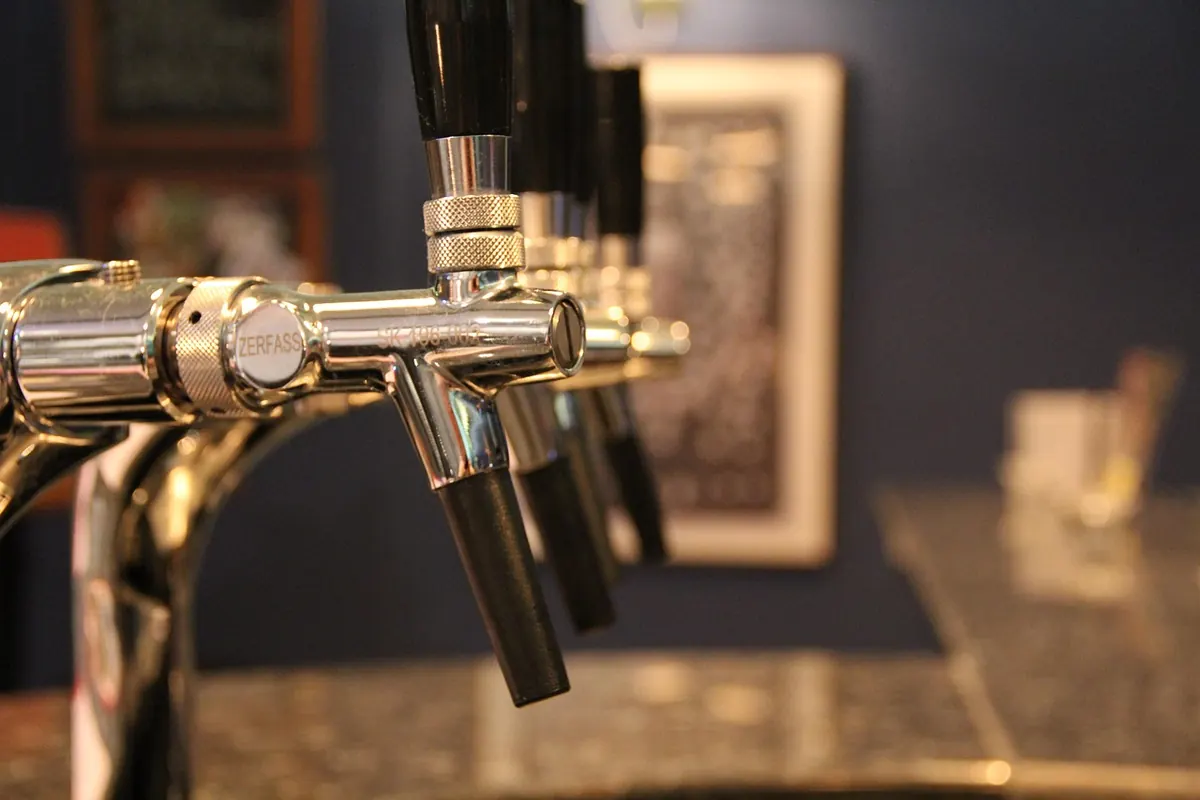
Stand at the bar of a good pub and you're looking at two different technologies. On one side, a row of handpumps with clip-on badges. On the other, keg fonts, some chalked with the week's specials. Both pour beer, but they don't pour it the same way, and what's inside is rarely the same thing either.
The difference isn't snobbery. Cask and keg are simply two ways of getting beer from the brewery into your glass, and each one changes how it tastes, how cold it arrives and how long it stays good. Understanding the basics makes ordering easier and helps you avoid a flat, tired pint.
Cask ale — often called real ale — finishes fermenting in the cask it's served from. The brewery racks it with a little yeast or sugar still working, and that secondary fermentation creates the beer's carbonation naturally, inside the vessel.
Before serving, the cask is vented to let excess gas escape, then left to settle so sediment drops. It's tapped and served either by gravity from a tap driven into the cask, or pulled through a handpump. Nothing pushes the beer out except the pump or gravity itself.
Once a cask is tapped, it starts to move. Hop aroma fades, condition drops and a gentle oxidation creeps in. The first pint from a fresh cask is not the same as the last pint two days later. Some drinkers chase that shift; others find it frustrating.
Keg beer is sealed and carbonated at the brewery, then pushed to the font by gas pressure — carbon dioxide, or a nitrogen and CO2 mix for smooth-flow stouts. Once tapped, it's a closed system. The beer stays consistent from the first pour to the last, which suits recipes where the brewer wants you to taste exactly what was designed.
Cask is served at cellar temperature, roughly 11–13°C. Cool, not cold. That's deliberate: at that range you can taste malt sweetness, yeast character and the bitterness of English hops. Serve it too warm and it goes flabby; too cold and the malt disappears behind the chill.
Keg runs colder, often around 4–8°C, and some fonts go colder still. Cold mutes sweetness and bitterness while pushing aromatics forward, which is exactly what you want in a crisp lager or a bright, hop-forward pale. It's also forgiving: a mediocre keg beer at near-freezing mostly tastes like cold.
Want malt, biscuit, toffee, earthy hops? Cask. Want a snappy, aromatic, refreshing hit? Keg. If a keg pale arrives so cold the hops are hidden, let it sit for five minutes. It will open up.
Cask has low carbonation — a gentle prickle rather than a fizz. That softness changes everything: the beer feels rounder and rests on your tongue instead of scrubbing it. Heads are usually tighter and smaller, unless the pub fits a sparkler, the small nozzle common on handpumps in northern England. A sparkler forces beer through tiny holes to build a thick, creamy collar. You lose a little aroma and gain a denser texture. Ask for your pint with or without one; staff will usually oblige.
Keg is more carbonated, with sharper, tighter bubbles. It feels cleansing and crisp, and the CO2 adds a faint acidity that makes bitterness seem more pronounced. Nitro keg goes the other way: pushed with nitrogen, it pours a thick creamy head over a smooth, low-carbonation body. Excellent for stouts, less useful for hop-forward beers, since the gas carries aroma away.
Cask plays to balance. Traditional bitters, milds, golden ales, porters and old ales all make sense in cask, frequently at 3.5–4.5%. Malt and hops sit in conversation rather than one shouting over the other. These are beers to drink two or three of, not one showpiece.
Keg handles the loud things well: heavily hopped IPAs, double IPAs, fruited sours, imperial stouts and pastry beers. Higher carbonation lifts aromatics, and the closed system protects delicate hop oils from oxygen. That's why a keg NEIPA can taste of mango and pineapple while a cask version of the same recipe might come across muddled and tired within a day. Keg also carries high strength more gracefully; a 9% imperial stout in cask would be a rare and risky proposition.
None of this is absolute. Some brewers put mild in keg and lager in cask, and some styles — brown ale, best bitter, dry stout — work well in both. The point is to match the beer to the format it was built for.
Format matters, but the pub matters more. A cask ale is only as good as the cellar it sits in. It needs to be tapped at the right time, vented properly, served within three or four days and kept at a steady temperature. A pub that turns its casks quickly and cleans its lines weekly will pour a better pint than one that leaves a cask on for a fortnight.
Keg is more forgiving. The beer is protected by gas and a sealed system, so it can sit longer without spoiling. But keg lines still need cleaning — every seven days is the industry standard — and a poorly maintained keg font can pour beer that tastes of vinegar or mould. If a pub's keg lager tastes wrong, it's usually the line, not the brewery.
If you're new to cask, start with a golden ale or a best bitter at around 4%. Order a half, then a full pint if you like it. Ask whether the sparkler is on — try it both ways and decide for yourself. If you're new to craft keg, begin with a pale ale or a pilsner rather than a triple-hopped IPA. Let it warm for a few minutes, then taste it again.
A useful exercise is to order the same style in both formats. Many breweries release a pale ale in cask and keg; tasting them side by side shows you exactly what carbonation and temperature do. You'll notice the cask version is softer, maltier and moreish; the keg version is brighter, hoppier and more intense. Neither is better. They're just different tools for different moods.
Cask and keg aren't enemies. They're two ends of a spectrum, and a good pub will have both. Try the cask when you want something quiet, complex and sessionable. Reach for keg when you want a burst of hops, a cold lager or a dessert stout. The best drinker is the one who knows what they're ordering and why.
Photo: abruellmann / Pixabay
Previous Post
A Pub Review Template for First-Time Reviewers: What to Notice, Note, and Score
Next Post
How to Order a Beer in a British Pub: A First-Timer's Step-by-Step Guide